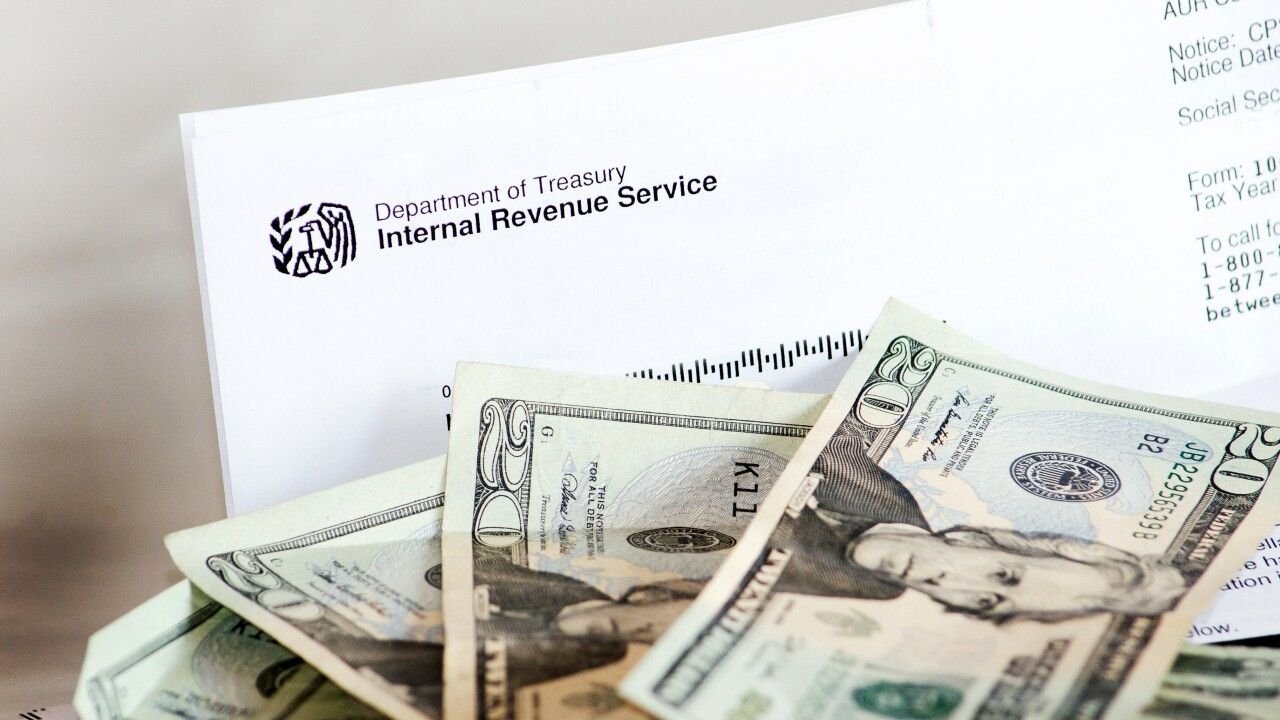
Over the past few weeks, headlines and social media posts have exploded with claims that the IRS has confirmed a $2,000 direct deposit for millions of Americans. The promise sounds reassuring, especially at a time when inflation, rent, and everyday expenses are still weighing heavily on households. Many readers are now searching for answers, trying to understand whether this payment is real, who qualifies, and when the money might arrive.
Table of Contents
Understanding Where the $2,000 Claim Came From
Much of the confusion surrounding the $2,000 direct deposit stems from a mix of online speculation, misinterpreted political discussions, and memories of past stimulus checks. During the pandemic, Americans became accustomed to sudden federal payments, and that expectation has never fully disappeared. As a result, even unverified claims can spread quickly when they echo past experiences. Some articles and videos reference discussions around potential economic relief ideas, such as returning government revenue to taxpayers or issuing special credits.
What the IRS Has Officially Confirmed So Far
As of now, the IRS has not released any official statement confirming a new $2,000 direct deposit for all taxpayers. No legislation has been passed authorizing such a payment, and nothing on the IRS website indicates a new stimulus or relief program of this size. What is confirmed is that the IRS continues to issue regular tax refunds, credits, and corrections. In some cases, these payments can total close to $2,000 depending on a taxpayer’s situation, which may explain why some people believe a new program exists.
Why Some People May Still See IRS Deposits

Even without a new stimulus program, many Americans will still receive money from the IRS. Refunds from amended returns, delayed tax credits, or unclaimed benefits such as the Recovery Rebate Credit can be sent automatically to eligible individuals. If someone receives a deposit around $2,000, it may look like confirmation of the rumor, even though it is simply a regular IRS transaction.
| Type of Payment | What It Means | Is It a New Stimulus? |
|---|---|---|
| Tax Refund | Money overpaid in taxes | No |
| Recovery Rebate Credit | Missed past stimulus funds | No |
| Amended Return Adjustment | Correction to a tax filing | No |
| New Relief Program | Requires new law | Not approved |
Why These Rumors Spread So Quickly
Financial rumors gain attention because they offer hope. When people are struggling, even an unconfirmed payment can feel like relief. Social media algorithms amplify emotional content, and once a claim appears repeatedly, it can feel credible. Unfortunately, this also creates opportunities for scams, with fake websites or messages asking for personal or banking details.
The IRS has repeatedly warned taxpayers that it never contacts individuals through social media, texts, or unsolicited emails about surprise payments. Any legitimate program is always announced publicly and published on official government websites.
What You Should Do Right Now
Rather than relying on viral headlines, the safest approach is to check your status directly through official IRS tools. Creating or logging into an IRS Online Account allows you to view notices, refunds, and account updates in real time. This is the most reliable way to know whether money is coming to you and why.
Important reminders
- Always verify payment news on the official IRS website.
- Do not share personal or banking information based on online claims.
- Be cautious of links promising “guaranteed” deposits.
The idea of a confirmed $2,000 IRS direct deposit is not supported by official evidence at this time. While the IRS is actively issuing refunds and credits, there is no new, universal payment approved for December 2025. Staying informed through verified sources is the best way to protect your finances and your peace of mind.
Frequently Asked Questions (FAQs)
Is the IRS really sending a $2,000 direct deposit to everyone?
No. There is no official IRS announcement or law approving a new $2,000 payment for all taxpayers.
Why did my friend receive money from the IRS recently?
They may have received a tax refund, a credit, or a correction from a previous filing. These are routine IRS payments, not new stimulus checks.
Can a new $2,000 payment be approved in the future?
Only Congress can approve new federal payments. If that happens, the IRS will publish clear, official guidance.
How can I check if I’m owed money by the IRS?
Use the IRS Online Account or “Where’s My Refund” tool on the official IRS website.
How do I avoid IRS payment scams?
Trust only official IRS communications and ignore unsolicited messages claiming guaranteed deposits